Navigating Language in Healthcare: Accurate Medical Report Translations for UK Authorities
The UK's healthcare system relies on Medical Record Translation UK services to accurately convey patient information across language barriers, ensuring the precision needed for patient safety and informed decision-making. These specialized tran…….

The UK's healthcare system relies on Medical Record Translation UK services to accurately convey patient information across language barriers, ensuring the precision needed for patient safety and informed decision-making. These specialized translation services are crucial for UK authorities when assessing patient histories or medical records, requiring native speakers with professional qualifications in medical terminology who adhere to GDPR standards for data protection. The translators use a combination of linguistic expertise, specialized glossaries, and CAT tools to ensure consistency and accuracy in medical jargon, while subject matter experts perform peer reviews to confirm the clinical relevance and cultural sensitivity of translations. This rigorous process guarantees that medical records are handled with confidentiality and precision, upholding the integrity of healthcare services and patient trust within the UK.
In the UK’s diverse socio-medical landscape, the accuracy of medical report translations is paramount for healthcare authorities like the NHS to deliver effective care and maintain patient safety. This article delves into the critical role of professional translators in overcoming language barriers within this sector, highlighting the necessity for precision in Medical Record Translation UK. We explore the legal landscape governing such translations, the meticulous steps and best practices in the translation process, and the pivotal considerations for selecting a trustworthy service provider. Moreover, we address the nuanced challenges inherent in translating specialised medical terminology, ensuring compliance with data protection and confidentiality standards. This comprehensive guide is designed to equip UK authorities with the knowledge to navigate the complexities of Medical Record Translation UK effectively.
- Understanding the Importance of Accurate Medical Report Translations in the UK
- The Role of Professional Translators in Bridging Language Barriers for NHS and Other UK Authorities
- Navigating Legal Requirements for Medical Record Translation in the UK
- The Process of Translating Medical Reports: Steps and Best Practices
- Key Considerations for Choosing a Reliable Medical Report Translation Service in the UK
- Challenges and Solutions in Translating Specialised Medical Terminology for UK Authorities
- Ensuring Compliance with Data Protection and Confidentiality in Medical Record Translation
Understanding the Importance of Accurate Medical Report Translations in the UK

In the UK, where patient care and data accuracy are paramount, the translation of medical reports assumes critical importance. Medical Record Translation UK services play a pivotal role in ensuring that healthcare information is accurately conveyed across linguistic barriers. This is not merely a matter of semantic precision but a question of patient safety and informed decision-making. When medical professionals or institutions require the translation of patient records, the accuracy of this process can directly impact treatment outcomes and regulatory compliance. The use of professional translators who specialize in medical terminology is essential to navigate the complexities of medical jargon and the nuances of language differences. These experts are adept at providing precise translations that maintain the integrity of the original content, which is indispensable for UK authorities when assessing patient histories or cross-referencing records for public health monitoring. The reliability of Medical Record Translation UK services ensures that healthcare providers can rely on complete and correct documentation, facilitating better patient care and adherence to legal standards within the healthcare sector.
In the context of the UK’s diverse population and its commitment to providing high-quality healthcare, the demand for reliable medical record translation services is growing. The NHS and other health organizations must often collaborate with patients who speak a variety of languages, necessitating translations that are not only linguistically correct but also medically accurate. This dual expertise is crucial in preventing misinterpretation or errors in patient care. Medical Record Translation UK providers are equipped to handle sensitive and specialized documents with the discretion and precision required. Their work supports the healthcare system’s accountability and transparency, ensuring that every patient receives appropriate treatment based on a clear understanding of their medical history. The role of these services is undeniably vital in upholding the high standards expected within the UK’s healthcare sector.
The Role of Professional Translators in Bridging Language Barriers for NHS and Other UK Authorities

In the UK, the National Health Service (NHS) and other authorities often encounter a significant language barrier when dealing with diverse patient populations. This is where professional translators play an indispensable role in ensuring clear and accurate medical report translation. The demand for high-quality medical record translation UK is paramount to facilitate effective communication between healthcare providers, patients, and regulatory bodies. Professionals specialising in this field undergo rigorous training to understand the nuances of both the source and target languages, as well as the medical terminology unique to healthcare documents. Their expertise ensures that translations are not only linguistically accurate but also medically precise, reflecting the original report’s intent without compromise. This precision is critical for patient safety, legal compliance, and informed decision-making within the UK’s healthcare system.
The role of professional translators extends beyond mere word translation; it encompasses a comprehensive understanding of cultural contexts, idiomatic expressions, and regulatory requirements that govern medical records in the UK. Accredited translators are adept at navigating complex healthcare information, providing interpretations that are both reliable and understandable to individuals who may not have English as their first language. This capability is instrumental for maintaining high standards of care and for supporting the NHS’s commitment to equity and inclusivity. The consequences of miscommunication in medical reports can be severe, underscoring the importance of engaging professional translators for medical record translation UK-wide. Their work is a cornerstone in upholding patient trust, ensuring compliance with legal frameworks, and advancing the quality of healthcare delivery within the UK’s authorities.
Navigating Legal Requirements for Medical Record Translation in the UK
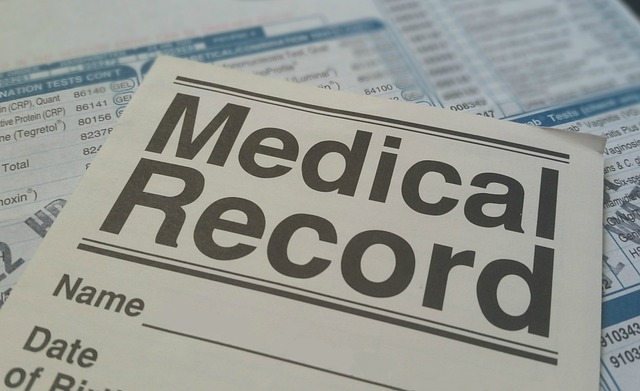
In the United Kingdom, medical report translation is a specialized service that must adhere to strict legal requirements to ensure accuracy and confidentiality. The UK’s General Data Protection Regulation (GDPR) compliance is paramount in this context, as it protects patient data and dictates how personal information can be handled during the translation process. Professional translators specializing in medical record translation must be well-versed in GDPR standards to maintain the integrity of sensitive health information. They are required to handle all documents with the utmost discretion, often working under confidentiality agreements. The translations must not only be linguistically accurate but also reflect the precise meaning and context of the original report. This is crucial for the correct interpretation by UK authorities, which may include healthcare providers, legal entities, or regulatory bodies. Moreover, translators must possess a solid understanding of medical terminology specific to the UK’s National Health Service (NHS) and the broader healthcare system to ensure that translations are not only legally compliant but also medically accurate. This expertise is essential for authoritative figures within UK authorities to make informed decisions based on the translated reports, thereby upholding the high standards of patient care and legal integrity in the UK.
The Process of Translating Medical Reports: Steps and Best Practices

Medical report translation within the UK context demands a high degree of accuracy and cultural sensitivity due to the sensitive nature of the information. The process commences with the identification of a qualified medical translator who possesses both linguistic proficiency and specialized knowledge in the field of medicine. This professional should be native in the target language and have a solid understanding of medical terminology to ensure precise translation.
Upon receiving the medical report, the translator must first conduct a thorough review to familiarize themselves with the content, including any technical jargon or abbreviations that may not have direct equivalents in the target language. The translation proper then follows, employing specialized translation memory software to maintain consistency across similar terms and phrases. To adhere to privacy laws such as the UK’s General Data Protection Regulation (GDPR), all translators must sign non-disclosure agreements, ensuring the confidentiality of patient data. Post-translation, a second medical expert often reviews the document to validate its clinical accuracy and cultural relevance within the UK context. This peer review process is crucial for upholding the integrity of the translation. Finally, the translated report undergoes proofreading to correct any spelling, grammatical, or punctuation errors. This meticulous process ensures that medical record translation UK services provide authoritative and reliable translations that meet the stringent requirements of UK authorities.
Key Considerations for Choosing a Reliable Medical Report Translation Service in the UK

When selecting a medical report translation service within the UK, it is imperative to prioritise accuracy and expertise. The translator should be not only proficient in the relevant languages but also well-versed in medical terminology to ensure precise communication of sensitive health information. A reliable service will employ native speakers with professional qualifications and a specialisation in medical translation. This guarantees that the nuances of both the source language and medical context are appropriately conveyed, essential for the safe passage of medical records through UK authorities. Additionally, compliance with data protection laws such as the UK General Data Protection Regulation (UK GDPR) is crucial to safeguard patient confidentiality. Choose a service with a track record of adhering to stringent privacy standards and with a clear understanding of the legal requirements surrounding medical report translation in the UK. Look for a provider that offers certification for translations, ensuring that the documents meet all necessary legal and professional standards. This due diligence is key to maintaining trust and integrity in the handling of medical records, facilitating seamless communication between healthcare providers, patients, and UK regulatory bodies.
Challenges and Solutions in Translating Specialised Medical Terminology for UK Authorities

The translation of specialized medical terminology presents unique challenges for professionals tasked with providing accurate and reliable translations for UK authorities. Medical Record Translation UK must contend with the intricacies of language, where even minor discrepancies can lead to misunderstandings with significant implications for patient care and regulatory compliance. One of the primary challenges is maintaining consistency in terminology; medical terms often have exact equivalents across languages, necessitating a deep understanding of both source and target linguistic contexts. To address this, translators must utilize specialized medical dictionaries and glossaries that are specific to the UK’s healthcare system. Additionally, they must stay abreast of the latest developments in medicine and related legislation to ensure terminology reflects current practices and legal requirements. The use of Computer-Assisted Translation (CAT) tools, combined with expert human oversight, can significantly enhance accuracy by providing translators with contextual information and previous translations for reference. Furthermore, a robust quality assurance process involving subject matter experts (SMEs) in both the source and target languages is crucial to validate translations. By leveraging technology and expertise, Medical Record Translation UK can overcome these challenges, ensuring that medical records are accurately conveyed and that authorities receive precise and actionable information for decision-making processes.
Ensuring Compliance with Data Protection and Confidentiality in Medical Record Translation

In the context of medical report translations within the UK, adherence to data protection and confidentiality is paramount. The translation process must be conducted in strict compliance with the General Data Protection Regulation (GDPR), which safeguards personal information and upholds patient privacy rights. Professional translators specializing in medical record translation UK-wide are not only expected to handle sensitive data with discretion but also to be well-versed in the nuances of both the source and target languages, ensuring that the content remains accurate and intelligible. The use of secure communication channels and encryption methods is essential to protect against unauthorized access during data transfer and storage. Additionally, translators must maintain professional confidentiality as per the UK’s strict medical data protection laws, which dictate that personal health information can only be shared on a need-to-know basis. This commitment to privacy and security is critical in maintaining patient trust and upholding the integrity of the healthcare system. Translation agencies involved in medical record translation UK must implement robust policies and procedures to guarantee compliance with these regulations, thereby ensuring the confidentiality and protection of sensitive health information at all times.
In conclusion, the critical role of professional medical report translations within the UK’s healthcare system is undeniable. The NHS and other UK authorities rely on accurate translations to effectively deliver care to patients whose primary language is not English. This necessity underscores the importance of adhering to legal requirements for medical record translation, ensuring compliance with data protection and confidentiality standards. Selecting a reliable service provider for medical report translation in the UK, one that follows best practices and specializes in handling complex medical terminology, is key to maintaining the integrity of patient information and care. As such, medical record translation services are not just a support function but a vital component of patient-centric healthcare delivery. By prioritizing precision and confidentiality, these translations facilitate better communication between patients, healthcare providers, and UK authorities, ultimately improving health outcomes for diverse populations within the UK.