Navigating Medical Record Translation Challenges in UK Insurance Claims
The UK's medical record translation landscape is a critical component of the insurance claims process within its diverse healthcare system. Medical Record Translation UK services ensure that patient records are accurately translated across vari…….

The UK's medical record translation landscape is a critical component of the insurance claims process within its diverse healthcare system. Medical Record Translation UK services ensure that patient records are accurately translated across various languages to facilitate seamless communication among healthcare providers and insurers. These services adhere to high standards of quality, confidentiality, and legal compliance, given the sensitive nature of health information. Specialized translators with expertise in medical terminology and fluency in multiple languages handle these translations, navigating the complexities of both treatment and diagnosis nuances, and upholding strict data protection laws like GDPR to safeguard patient confidentiality. The integration of translation memory software and emerging AI-driven NLP technologies is streamlining the translation process, enhancing precision and efficiency. Additionally, blockchain technology and cloud-based encryption are being implemented to secure medical records while enabling real-time, accurate translations for authorized users. These advancements underscore a commitment to improving patient outcomes, maintaining data integrity, and optimizing operational efficiency within the UK's healthcare and insurance sectors.
Navigating the intricacies of medical record translation within the UK’s insurance sector is pivotal in upholding patient care and claim accuracy. This article delves into the essential role that precise translations play, especially given the UK’s diverse linguistic landscape. We will explore the legal mandates, challenges, and best practices for medical document translation, shedding light on how both the NHS and private healthcare systems cater to these translation needs. Furthermore, we will examine the most frequently required languages in UK medical record translations, emphasizing the critical importance of professional translation services to ensure both accuracy and confidentiality. Finally, we will consider the impact of cultural nuances and evolving medical terminology on translation quality, as well as future trends and technological advancements shaping this field. Join us as we unravel the complexities of Medical Record Translation UK in insurance claims processing.
- Understanding the Importance of Medical Record Translation in UK Insurance Claims
- The Legal Framework Governing Medical Records and Translations in the UK
- Key Challenges in Translating Medical Records for Insurance Purposes
- The Role of NHS and Private Healthcare Systems in Facilitating Translation Needs
- Best Practices for Translating Medical Documents for Claims Processing
- Identifying the Most Common Languages Required for UK Medical Record Translations
- Ensuring Accuracy and Confidentiality: The Importance of Professional Translation Services
- Navigating Cultural Nuances and Medical Terminology in Medical Record Translation
- Future Trends and Technologies in Medical Record Translation for Insurance Claims
Understanding the Importance of Medical Record Translation in UK Insurance Claims

Medical record translation plays a pivotal role in the UK’s insurance claims process, particularly as the UK is home to a diverse population with varying language needs. The accuracy and reliability of medical record translations are crucial for ensuring claimants receive the correct treatment and benefits they are entitled to. When a patient who speaks a different language from that of the healthcare providers seeks medical attention or undergoes a procedure, their medical records must be accurately translated into English or the required language to facilitate communication between healthcare professionals. This translation is not merely a matter of semantics but a critical step in maintaining patient safety and claim accuracy. In the context of insurance claims, where the validity and details of treatment are scrutinised, precise translations are indispensable for insurers to process claims effectively. Medical Record Translation UK services must adhere to stringent standards of quality and confidentiality, given the sensitive nature of healthcare information. These services often employ specialized translators with expertise in medical terminology, ensuring that all nuances of treatment and diagnosis are accurately conveyed. This not only streamlines the insurance claims process but also upholds the integrity of patient care within the UK’s National Health Service (NHS) and private healthcare systems.
The Legal Framework Governing Medical Records and Translations in the UK
Key Challenges in Translating Medical Records for Insurance Purposes

Medical record translation within the UK context presents a multifaceted set of challenges that are critical to navigate accurately, particularly when it comes to insurance claims. The complexity arises from the need to maintain patient confidentiality while ensuring the translations are precise and compliant with legal standards. The linguistic diversity of the UK population necessitates translators to be proficient not only in multiple languages but also in medical terminology, which can vary significantly across different healthcare systems. This is further compounded by the need for translators to handle sensitive patient information with utmost discretion and security.
Another significant challenge is the variability in medical record formats. Electronic health records (EHRs) used in the UK’s National Health Service (NHS) are vastly different from those used in other countries, which can lead to discrepancies and misinterpretations if not handled by translators with specialized knowledge. Additionally, the translator must be aware of the specific requirements of insurance claims processing, including the need for accurate coding and terminology that insurers rely on to assess and settle claims. The stakes are high, as inaccuracies can lead to claim denials or overpayments, potentially affecting patient care and insurer financial integrity. Therefore, the role of medical record translation in the UK is critical, demanding a blend of linguistic expertise, technical knowledge, and attention to detail to ensure the integrity of insurance claims processing.
The Role of NHS and Private Healthcare Systems in Facilitating Translation Needs
In the UK, both the National Health Service (NHS) and private healthcare systems play pivotal roles in addressing the translation needs of medical records to ensure accurate claim processing. The NHS, as the primary provider of healthcare services, handles a vast array of patient records daily, many of which require translation for patients whose first language is not English. Medical record translation UK is essential for maintaining continuity of care and ensuring that patient information is accurately conveyed across different healthcare settings. This translation process is critical when patients seek treatment abroad or consult with specialists who may require comprehensive medical histories in a language they understand fully.
Similarly, the private healthcare sector in the UK also relies heavily on medical record translation services to facilitate international patient care and the administration of claims. Private health insurers must navigate complex documentation that often includes multilingual records. The accuracy of these translations is paramount for insurance validity, as it impacts the authorisation of treatments and the processing of payments. Medical record translation UK is a specialized service that bridges language barriers, enabling healthcare providers and insurers to deliver high-quality care and manage claims effectively, thereby upholding the integrity of patient records and the delivery of care within both public and private sectors.
Best Practices for Translating Medical Documents for Claims Processing
In the UK, the accuracy and reliability of medical record translations are paramount for successful insurance claims processing. The translation of medical documents requires a high level of precision to ensure that patient care is not compromised and that insurance claims are processed efficiently. Best practices in this field include employing professional translators who are not only proficient in the source and target languages but also have specialized knowledge in medical terminology. These experts should adhere to industry-specific standards, such as the ISPS (International Society for Professional Standards in Language Services) or equivalent bodies, to maintain consistency and accuracy. The use of translation memory software can facilitate the handling of repetitive text, enhancing both productivity and quality control. Moreover, confidentiality must be strictly observed, with all translations complying with the UK’s Data Protection Act 2018 and the General Data Protection Regulation (GDPR). By adhering to these best practices, medical record translation services in the UK can significantly improve the processing of insurance claims, ensuring patients receive the care they need while insurers handle claims accurately and swiftly.
Identifying the Most Common Languages Required for UK Medical Record Translations
Ensuring Accuracy and Confidentiality: The Importance of Professional Translation Services
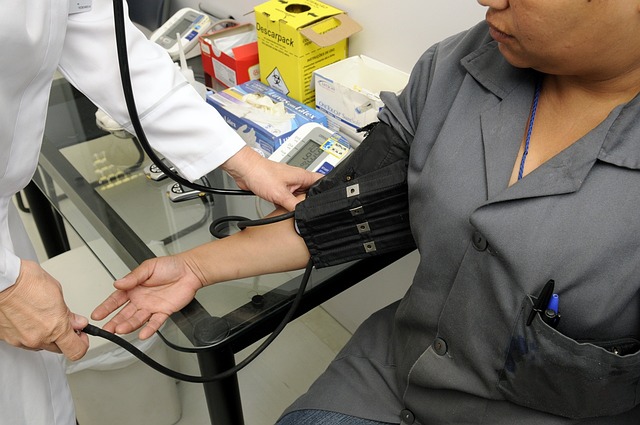
In the United Kingdom, the accuracy and confidentiality of medical record translations for insurance claims are paramount. The nuances of medical terminology require a level of expertise that general translation services cannot provide. Professional translation services specialising in Medical Record Translation UK offer unparalleled precision, ensuring that every term, dose, diagnosis, and treatment is accurately conveyed from one language to another. This precision is crucial for insurance claims as it directly impacts the outcomes for patients who rely on these translations to access necessary treatments and benefits. The translators employed by these services are not only proficient in multiple languages but also possess a deep understanding of medical jargon, enabling them to maintain the integrity of patient information while navigating complex linguistic barriers. Furthermore, these professionals adhere to stringent confidentiality protocols, safeguarding sensitive personal data against unauthorized access or breaches. In the context of the UK’s robust data protection laws, such as the General Data Protection Regulation (GDPR), professional translation services are indispensable for maintaining compliance and trust in the medical record translation process for insurance claims.
Navigating Cultural Nuances and Medical Terminology in Medical Record Translation

When translating medical records for insurance claims in the UK, it is imperative to consider cultural nuances and precise medical terminology. Medical Record Translation UK tasks require a deep understanding of both the source and target languages, as well as the healthcare context. Translators must be adept at interpreting specialized medical terms that are often domain-specific, ensuring that their translations accurately reflect the original text’s intent. This is crucial as medical terms may have different meanings or equivalents across cultures, which can significantly impact claim outcomes and patient care. The translation process must account for these variations to avoid misunderstandings or errors in treatment, which could have serious implications for patients.
Furthermore, the translator’s role extends beyond mere word-for-word translation; it involves a comprehensive grasp of the cultural context within which medical terms are used. This includes idiomatic expressions, colloquialisms, and regional variations in language use that might not have direct equivalents. In the UK, the National Health Service (NHS) operates with its own set of protocols and terminology, which must be accurately conveyed to maintain the integrity of patient records and insurance claims processes. Ensuring the accuracy of Medical Record Translation UK is a complex task that requires specialized knowledge and expertise in both the linguistic and medical domains, guaranteeing that all necessary information is accurately communicated across different languages and cultural contexts.
Future Trends and Technologies in Medical Record Translation for Insurance Claims

As the UK healthcare system continues to evolve, the role of medical record translation in processing insurance claims is becoming increasingly sophisticated. The future trends and technologies in this domain are poised to revolutionise how patient data is understood across different linguistic and cultural contexts. Advancements in artificial intelligence, particularly in natural language processing (NLP), are set to enhance the accuracy and efficiency of translations. Machine learning algorithms are being trained on vast datasets of medical records to not only translate text but also to interpret clinical documentation accurately. This is crucial for insurance claims as it ensures that patient histories and treatment details are conveyed precisely, facilitating faster claim resolution and improved patient care.
Furthermore, the integration of blockchain technology in managing medical records promises a secure, immutable record that can be seamlessly translated and shared among authorised parties involved in insurance claims. This innovation addresses key concerns regarding data privacy and security, which are paramount when handling sensitive personal health information. Additionally, the use of cloud-based translation services with advanced encryption is expected to streamline the process, allowing for real-time updates and translations that are instantly accessible by insurers and healthcare providers. These developments underscore a commitment to enhancing the quality of care and operational efficiency within the UK’s insurance and medical sectors.
In conclusion, the process of translating medical records for insurance claims in the UK is a multifaceted endeavour that intertwines legal obligations with the nuances of healthcare language and cultural context. The importance of medical record translation within this domain cannot be overstated, as it ensures patients receive the compensation and care they are entitled to. The legal framework outlines the necessary standards, while the NHS and private healthcare systems play pivotal roles in facilitating these translations. Best practices emphasize the critical nature of professional translation services, which not only guarantee accuracy but also maintain patient confidentiality. As we look to the future, advancements in technology and AI are poised to further streamline this process, potentially reducing errors and improving efficiency. It is clear that medical record translation UK remains a cornerstone for fair insurance claim outcomes, and staying abreast of the latest developments will be key to its ongoing success.